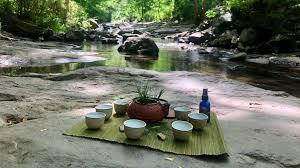
Sylvotherapy?!
Sylvotherapy?!...what is it all about
In the East, particularly in Japan, the bond with nature has endured through time, which has laid the foundation for Sylvotherapy, a therapeutic approach that originated there. The concept gained significant attention and discussion in academic circles, with professors like Li Qing's exploration of shinrin yoku, which is commonly known as Forest Bathing.
In the West, the recent craze for Sylvotherapy is linked to two factors. Firstly, this therapeutic method helps to grow an interest in the natural world. Secondly, awareness of the harmful effects of synthetic drugs (side effects, drug resistance etc.), many practitioners, including doctors, want to be able to offer their patients completely harmless treatments, and Sylvotherapy is one of these gentle but effective therapies.
Although criticized by some scientists, Sylvotherapy is already widely recognized by the public as well as by progressive researchers. There's every reason to believe that this is just the beginning of this popularity, and that it will soon be as popular in the West as it is in Asia.
Here is a beginning list of the benefits of Sylvotherapy:
*reduced risk of heart attack
*An increase in "good" cholesterol
*Lower blood pressure
*Weight control;an increase in resting metabolism
*Stimulation of the immune system
*An increase in overall energy levels
*A reduced risk of developing Alzheimer's disease
*Improved mood & increased self-esteem
*Improved bone density, posture & balance
This is hardly surprising, given that many pathologies are closely linked to our sedentary lifestyle. Unlike our ancestors, we spend an enormous amount of time sitting, cooped up indoors. Type 2 diabetes, several chronic respiratory diseases, certain cardiovascular diseases and obesity are all associated with a lack of regular physical activity. By getting ourselves moving and go for a walk in the forest, or to do Sylvotherapy, this can help to prevent the onset of many illnesses, and it's already effective if practiced twice a week.
The first scientific studies on the subject began in 1990, conducted by Yoshifumi Miyazaki, a physiological anthropologist on the island of Yaku-shima. His aim was to understand how plants in general, and trees in particular, can help improve human health, and then 13 years later, in 2003, armed with his knowledge, Miyazaki offered the public a standard form of forest therapy. A year later, probably inspired by his work, the Forestry Agency, supported by the Ministry of Health, Labour and Welfare, funded its own study. At the same time, it began promoting Sylvotherapy in universities and companies, presenting it as a form of preventive medicine. In 2005, the Forestry Department went a step further and legally protected the terms "therapeutic path", "sylvotherapy" and "sylvotherapist".
Sign up at... www.whah-la.com/home